

(And No, It’s Not Just Poutine)
Let’s get this out of the way: poutine is great. It’s iconic, comforting, and deeply Québécois. I love it so much that I even named this blog after it. But if you think Quebec’s food culture starts and ends with fries, gravy, and cheese curds, you’re missing the entire point and most of what my province has to offer.
Quebec isn’t Canada’s best food destination because of one dish. It’s the best because food here is tied to place, season, language, history, and identity in a way that’s hard to replicate elsewhere in the country.
Food in Quebec tells stories. And those stories change depending on where you are.
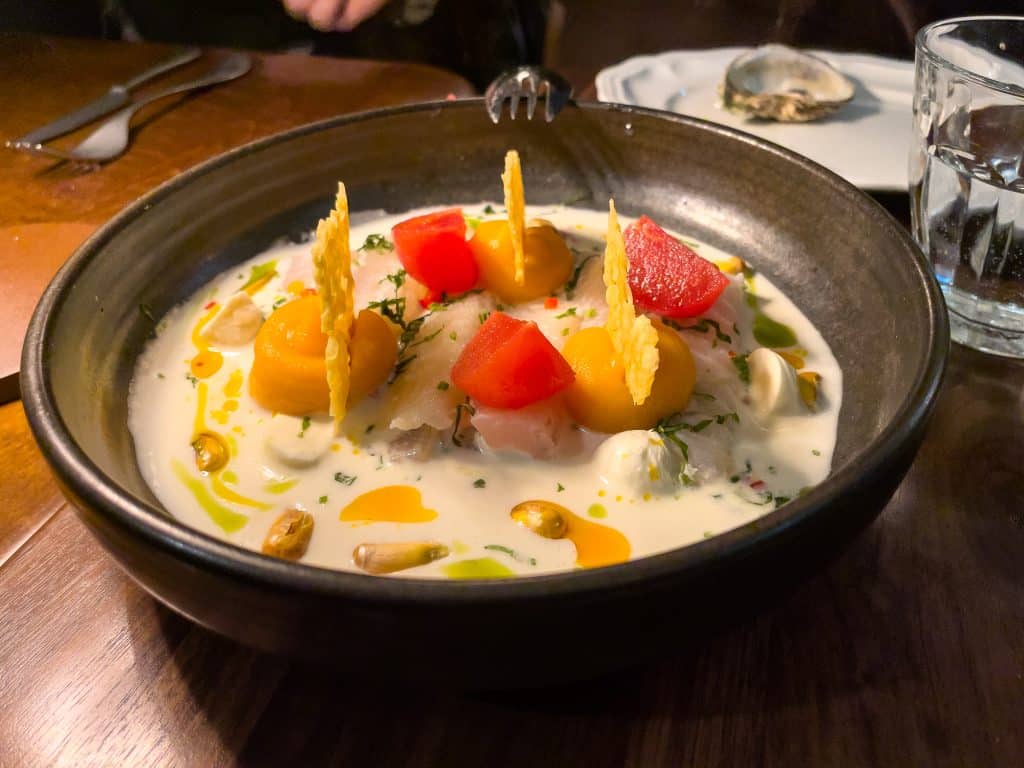
A Cuisine Shaped by Geography, Not Trends
Quebec’s food culture wasn’t built to impress outsiders. It was built to survive winters, celebrate harvests, and make the most of what the land and sea could provide.
From the fertile lowlands of the St. Lawrence River to the apple orchards of the Laurentians, the dairy farms of Centre-du-Québec, the fisheries of Gaspésie, and the windswept terroir of the Magdalen Islands, food here is regional by necessity.
That’s why a smoked meat sandwich in Montreal doesn’t taste like one in Toronto. Why cheese in Charlevoix has its own personality. Why microbreweries in Abitibi-Témiscamingue hit different. Why cider in Montérégie feels particularly delicious.
Quebec eats locally not because it’s fashionable but because it always has.
Terroir Is a Way of Life Here
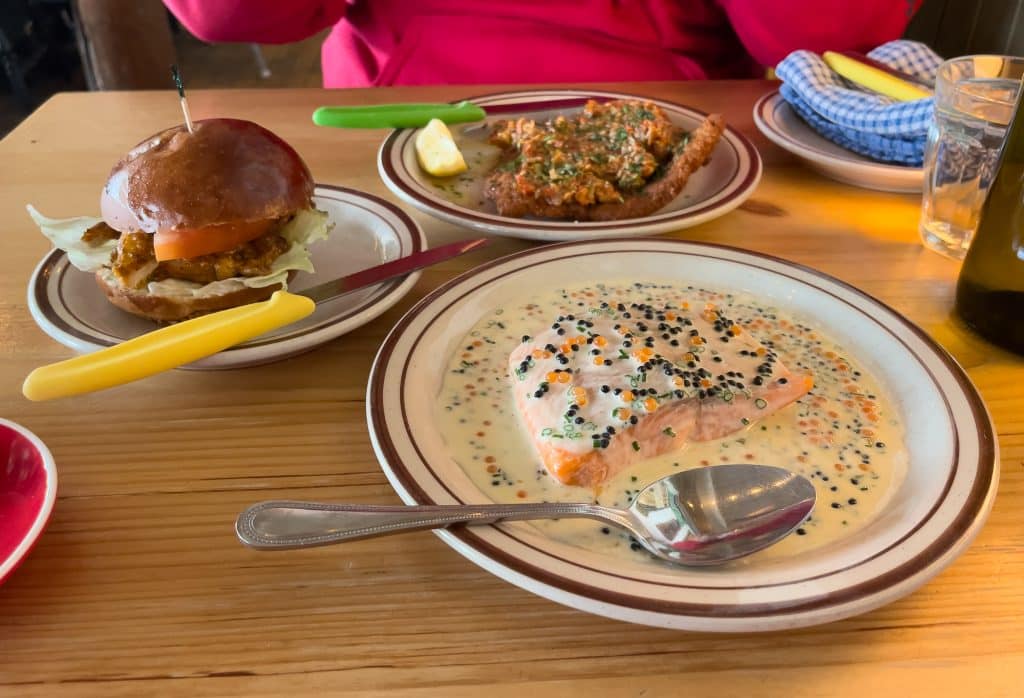
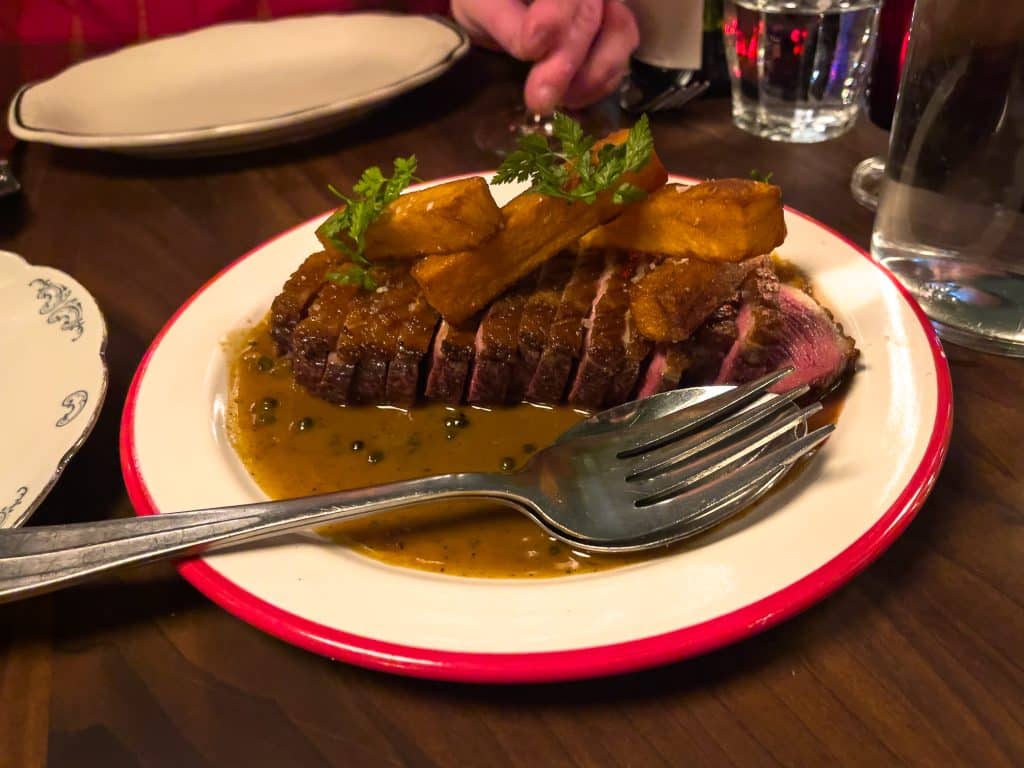
In many places, “terroir” is a marketing word. In Quebec, it’s everyday language.
You’ll see it on menus, in farmers’ markets, at roadside kiosks, in sugar shacks, and in conversations with producers who genuinely care where things come from. Cheese isn’t just cheese, it’s raw-milk vs pasteurized, cow vs sheep, alpine-style vs washed rind, aged for this many months in this climate.
The same goes for:
- Cider (Quebec does it better than most people realize)
- Maple products beyond syrup
- Berries, mushrooms, grains, and wild herbs
- Bread, beer, spirits, and wine grown at northern latitudes
Cities That Actually Know How to Eat
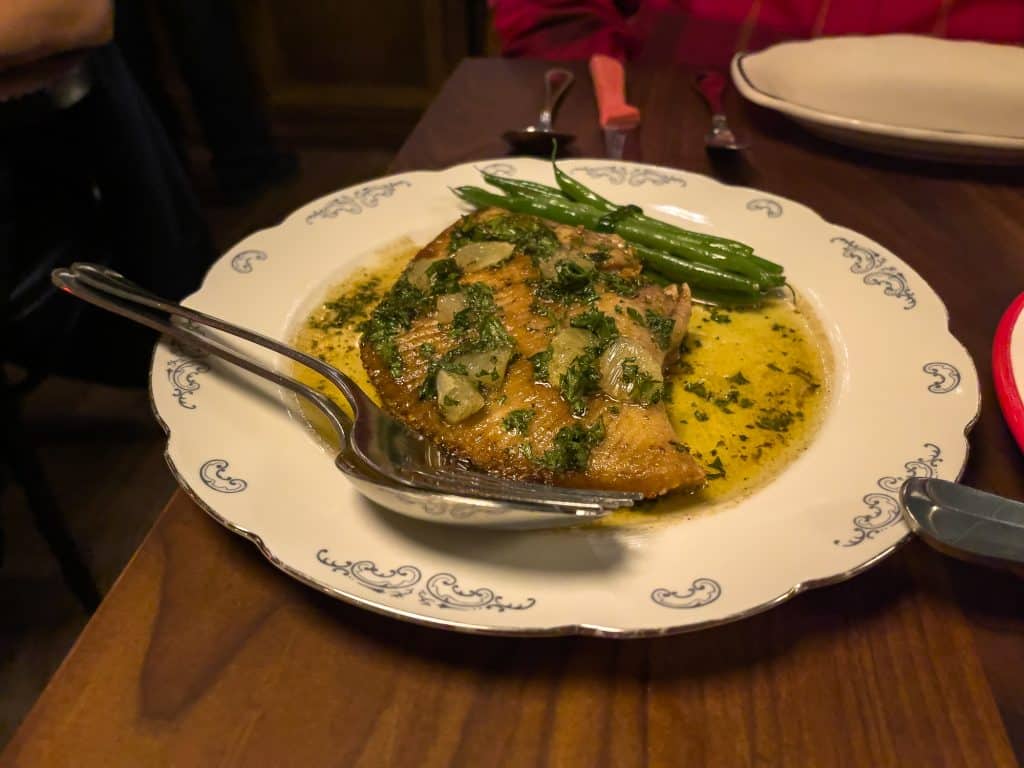
Montreal gets a lot of international attention, and for good reason. It’s one of the few North American cities where you can eat incredibly well across every price point, from a neighbourhood bakery to a tasting menu, without the pretension.
But Quebec City often gets overlooked, which is a mistake.
Québec City’s food scene is deeply tied to its surrounding regions: Île d’Orléans, Charlevoix, Chaudière-Appalaches, Portneuf. Restaurants there don’t just serve food; they act as ambassadors for local producers, traditions, and seasonal cooking.
Even smaller cities and towns (Rimouski, Sherbrooke, Baie-Saint-Paul, Trois-Rivières, Kamouraska) punch far above their weight when it comes to food.
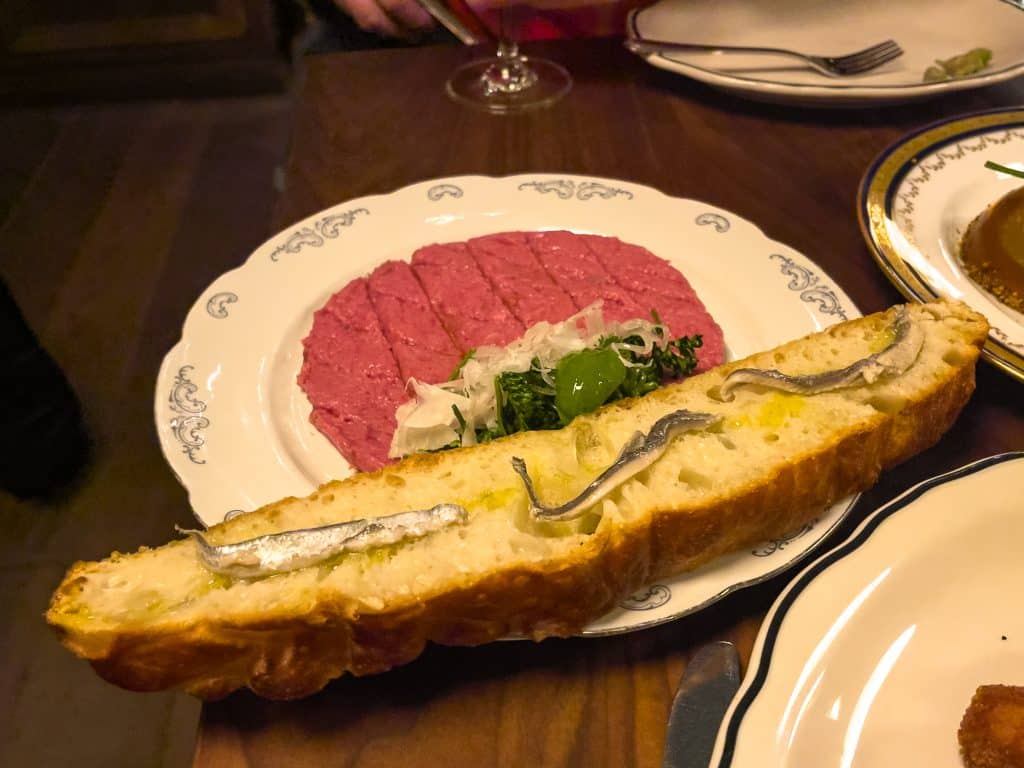
What I love about our province is that there is good, high-end food everywhere, from the small little roadside food truck to the renowned restaurants you often hear about.
Sugar Shacks Are Not a Gimmick
If you’ve only experienced a sugar shack as a loud, touristy buffet, you haven’t really experienced one. Forget about those touristy ones!
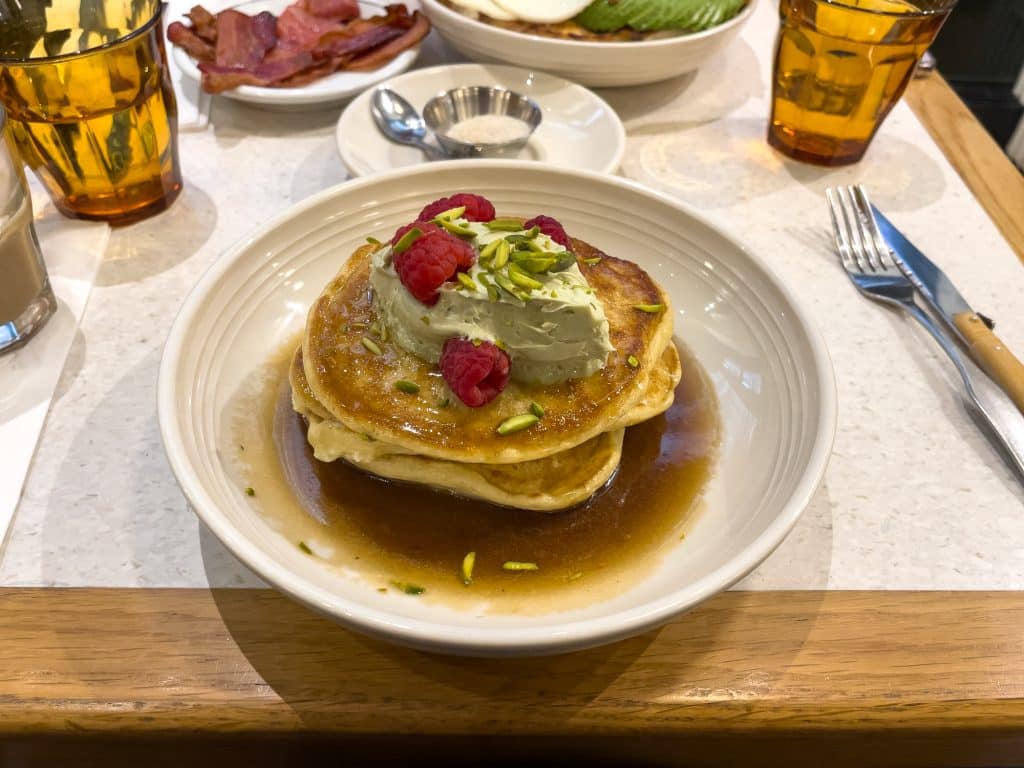
At its core, the cabane à sucre is about seasonality, community, and survival after winter. It’s heavy food for a reason. And today, a new generation of chefs and producers are reinterpreting it with local ingredients, vegetarian and vegan options, and a renewed respect for tradition.
Sugar season isn’t a theme. It’s a ritual. Every year my whole family used to get together at the cabane à sucre to enjoy the tradition. Now, I keep this going with friends and we try different ones all around the province every time.
It’s something you have to experience. Find out more about our cabane à sucre here!
Food Is Culture Here, Not Content
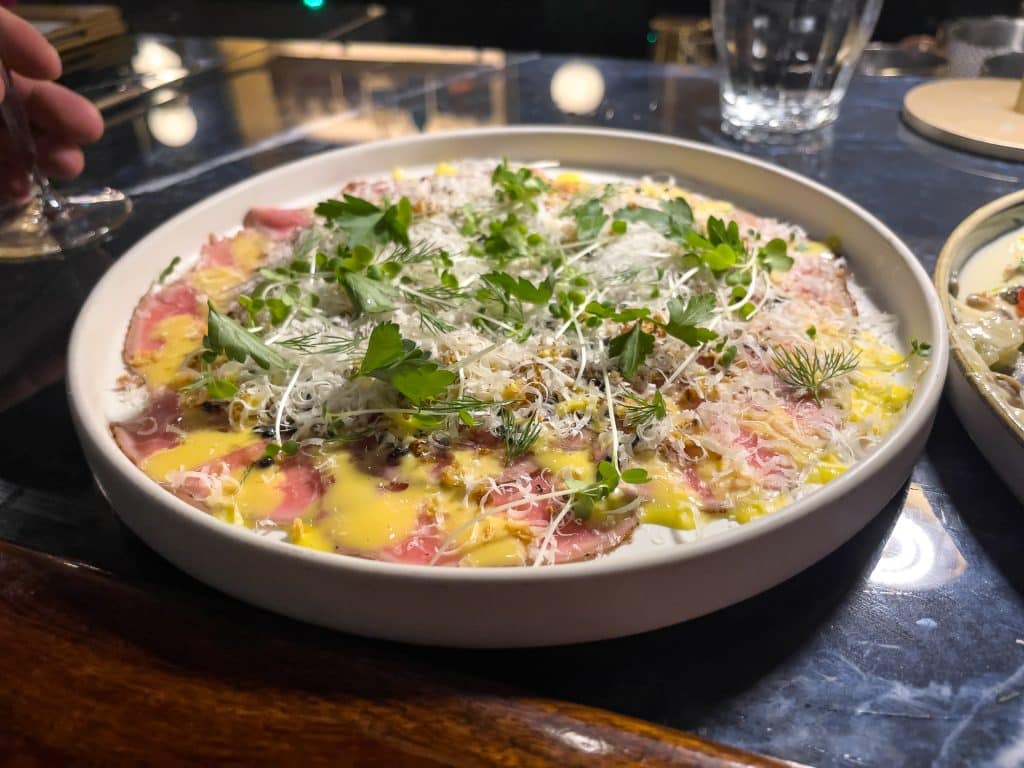
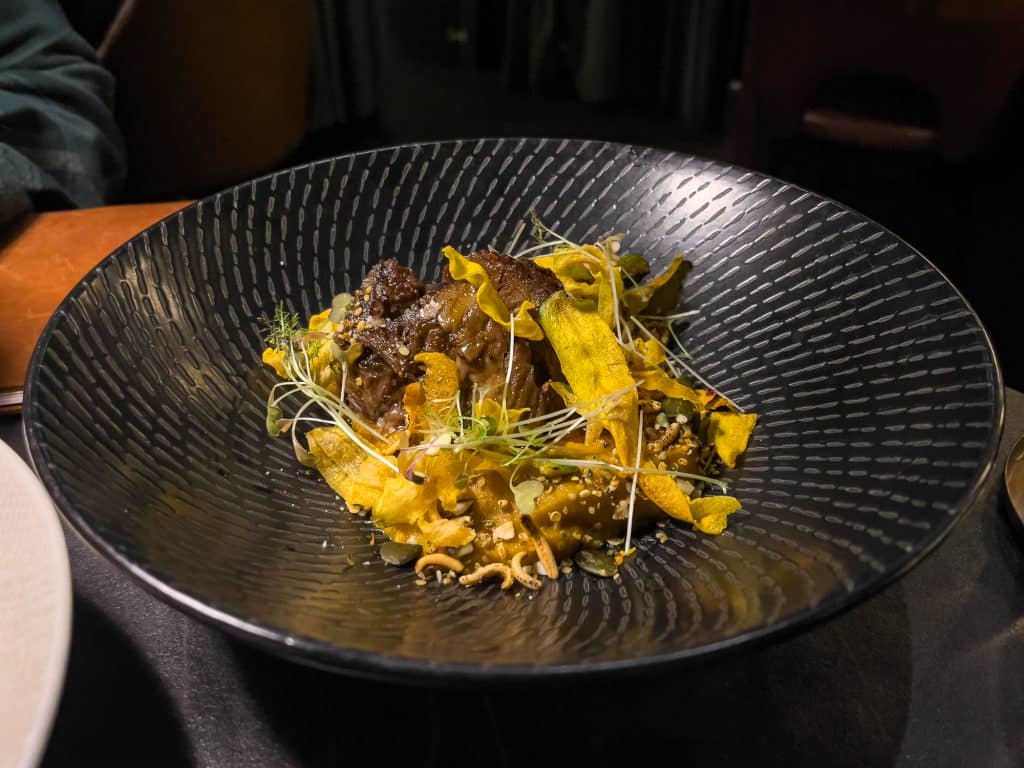
What makes Quebec different isn’t just what’s on the plate. It’s how people talk about food, argue about it, defend it, and pass it down. It’s not only about our Michelin-starred restaurants, but what their dishes remind us of.
Recipes are tied to families. Ingredients are tied to regions. Meals are tied to language. You don’t just order food, you navigate menus in French, learn expressions, decode traditions, and sometimes feel slightly lost. That’s part of the experience.
Quebec doesn’t flatten its food culture for easy consumption. It expects you to meet it halfway.
And if you do? The rewards are huge.
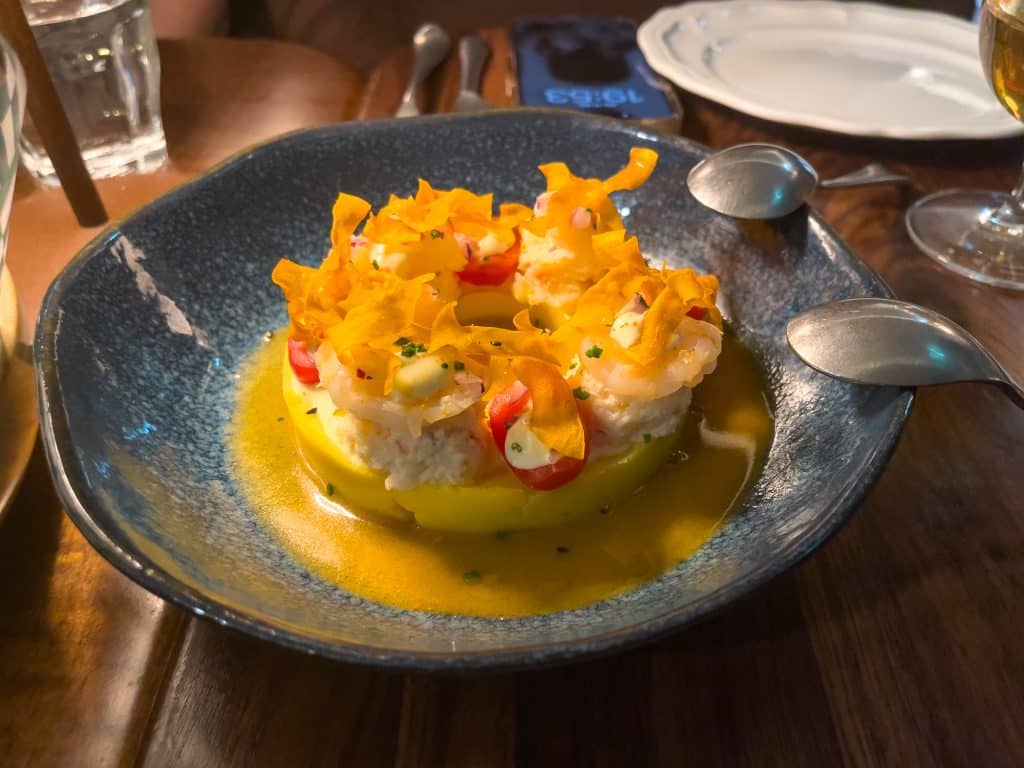

So Yes, Poutine Is Part of the Story
But it’s one chapter in a much bigger book.
Quebec is the best food destination in Canada because its cuisine is:
- Rooted in land and season
- Proudly regional
- Deeply cultural
- Constantly evolving
- Still accessible and human
This is a place where food isn’t just something you photograph, it’s something you understand over time.
That’s what Chasing Poutine is really about.
Not chasing a dish.
Chasing a place, one meal, one region, one story at a time.
Want to learn more about food in Quebec? Read these blog posts:
- Best Poutine in Montreal: My 15 Favourite Restaurants and Festivals
- Most Affordable Restaurants in Quebec City
- Best Quebec City Food Tours & Experiences to Remember
- Where to Eat the Best Poutine in Quebec City?
- Everything You Need to Know About Poutine: A Quebecer’s Guide
- What to Eat in the Magdalen Islands and Where
Are you on Pinterest?




No Comments